Introduction: Understanding Multiple Pregnancy
Multiple pregnancy means carrying more than one baby at a time. Most often, this means twins, but sometimes it can be triplets or more. Today, caring for twins during pregnancy is more common due to fertility treatments and older maternal age. Because multiple pregnancy brings unique needs, it is important to know what to expect and how to stay healthy.
Common Symptoms and Early Signs of Multiple Pregnancy
Many women notice stronger pregnancy symptoms when carrying twins or more. For example, you may feel more tired or have more morning sickness. Some early signs include:
However, these signs can also happen in single pregnancies. Therefore, only a healthcare provider can confirm multiples.
Causes and Risk Factors
Several factors can increase the chance of having twins or more. For instance, you may be more likely to have a multiple pregnancy if:
Still, sometimes multiples happen without any clear reason.
Diagnosis Methods: How Are Multiples Detected?
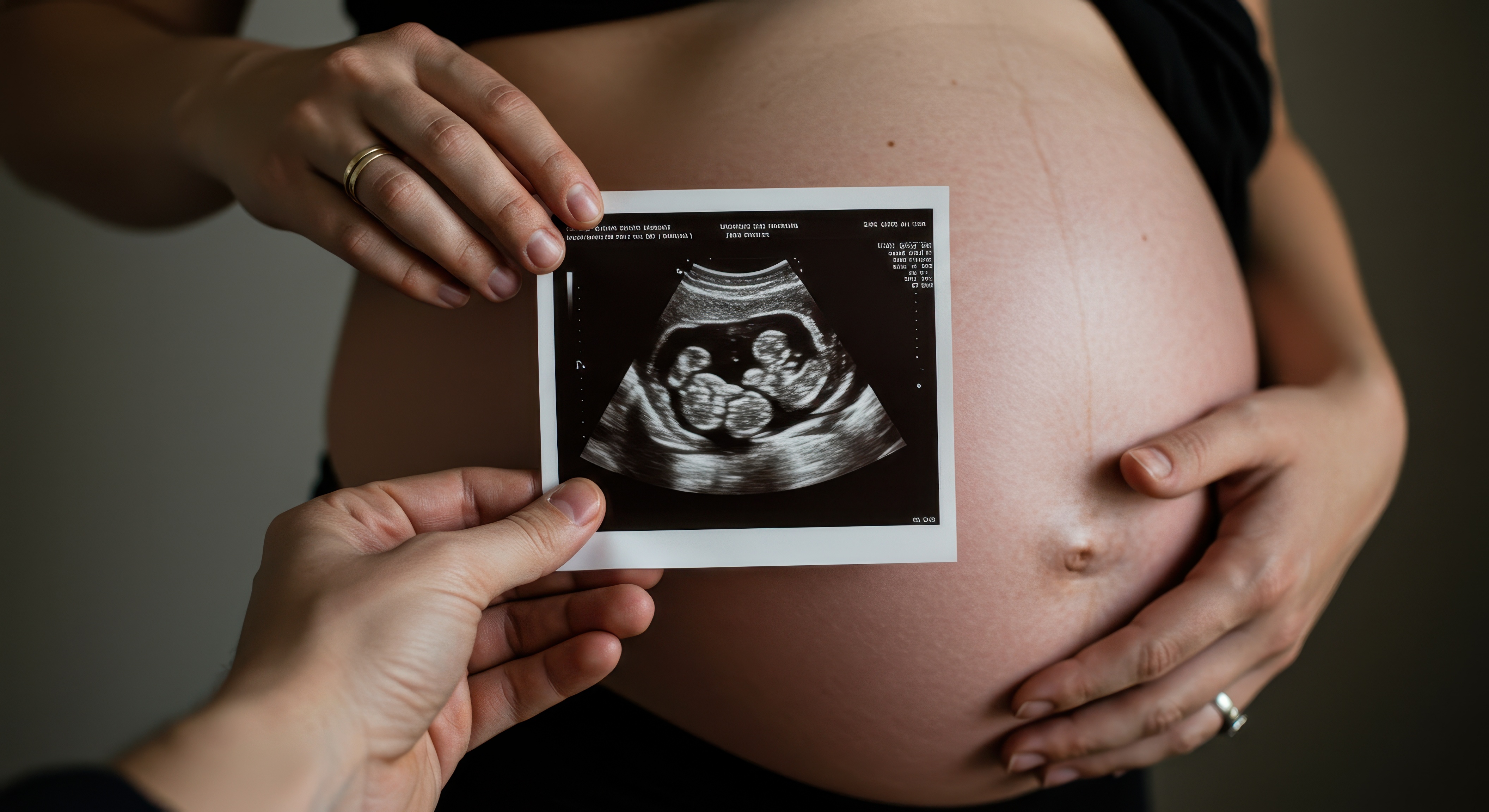
Doctors use several methods to diagnose multiple pregnancy. Most often, an ultrasound scan confirms twins or more. In addition, your provider may notice a larger uterus or hear more than one heartbeat. Other prenatal tests, like blood tests, can also suggest multiples. Early diagnosis helps plan the best care for you and your babies.
Unique Challenges and Risks in Multiple Pregnancy
Carrying twins or more can bring extra risks. For example, you may face:
Because of these risks, regular check-ups are very important. Early care can help spot and manage problems quickly.
Essential Prenatal Care Tips for Multiples
Good prenatal care is key for a healthy multiple pregnancy. Here are some tips for expecting twins:
Moreover, ask your provider about extra vitamins or supplements you may need.
Nutrition and Lifestyle Guidance
Eating well is even more important when carrying twins or more. For example, you may need extra calories, protein, and iron. Try to:
Additionally, gentle exercise like walking can help, unless your doctor says otherwise.
Preparing for Delivery and Postpartum Support
Planning ahead makes delivery smoother. Since twins often arrive early, pack your hospital bag in advance. Talk to your doctor about birth options, as some twins need a cesarean section. After birth, you may need extra help at home. For example, ask family or friends for support with feeding and care. Many hospitals offer special classes for parents of multiples.
Prevention and Risk Reduction Strategies
While you cannot always prevent multiple pregnancy, you can lower some risks. For instance:
These steps help keep you and your babies healthy.
When to Consult a Healthcare Provider
Always contact your doctor if you notice:
Early action can prevent serious problems. Never hesitate to ask questions or share concerns.
Conclusion: Support for a Healthy Multiple Pregnancy
Caring for twins during pregnancy takes extra attention, but many families have healthy outcomes. With good prenatal care, healthy habits, and support, you can give your babies the best start. Consult a healthcare provider for personalized advice on caring for twins or multiple pregnancy.