What is Vulvodynia?
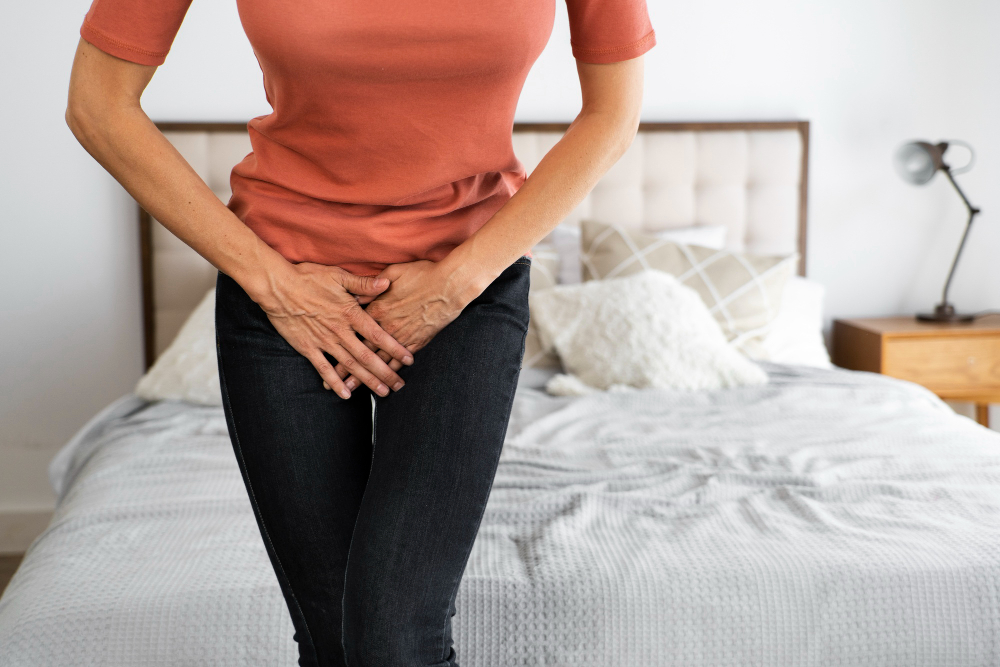
Vulvodynia is a chronic pain condition that affects the vulva, which is the outer part of the female genitals. Many women experience burning, stinging, or irritation in this area. However, the pain often has no clear cause. Vulvodynia can last for months or even years. Because it is not always visible, it can be hard to diagnose. Still, understanding vulvodynia is important for finding relief and support.
Common Symptoms of Vulvodynia
Symptoms of vulvodynia can vary from person to person. For example, some women feel pain all the time, while others notice it only during certain activities. Here are common signs:
Often, the pain can make daily life difficult. Yet, many women find it hard to talk about these symptoms. If you notice any of these signs, consider seeking help.
Causes and Risk Factors
Doctors do not always know what causes vulvodynia. Even so, several factors may increase the risk:
Additionally, stress and anxiety can make symptoms worse. But, vulvodynia is not caused by poor hygiene or sexually transmitted infections. According to the CDC, vulvodynia is a real medical condition and not a sign of infection or cancer.
How Vulvodynia is Diagnosed
Diagnosing vulvodynia can take time. First, your doctor will ask about your symptoms and medical history. Next, they may do a gentle exam of the vulva. Sometimes, they use a cotton swab to find the exact spot of pain. In some cases, tests may rule out infections or skin problems. However, there is no single test for vulvodynia. Because of this, it is important to share all your symptoms with your doctor.
Treatment Options for Vulvodynia
There are many vulvodynia treatment options. The right plan depends on your symptoms and needs. Here are some common treatments:
For some women, a mix of treatments works best. Your doctor will help you find the right approach. According to the National Institutes of Health, early treatment can improve quality of life.
Lifestyle Tips and Self-Care
In addition to medical care, self-care can help manage chronic vulvar pain. Consider these tips:
Furthermore, keeping a symptom diary can help you and your doctor track what makes the pain better or worse.
Preventive Measures
While vulvodynia cannot always be prevented, some steps may lower your risk. For instance, you can:
Moreover, regular check-ups with your gynecologist can help catch problems early.
When to See a Doctor
If you have ongoing vulvar pain or discomfort, do not wait to seek help. Especially if the pain affects your daily life or relationships, a doctor can help find the cause and suggest treatment. Early care can prevent symptoms from getting worse. Remember, you are not alone, and support is available.
Consult a gynecologist or women’s health specialist for personalized guidance on vulvodynia.