What Is Amenorrhea?
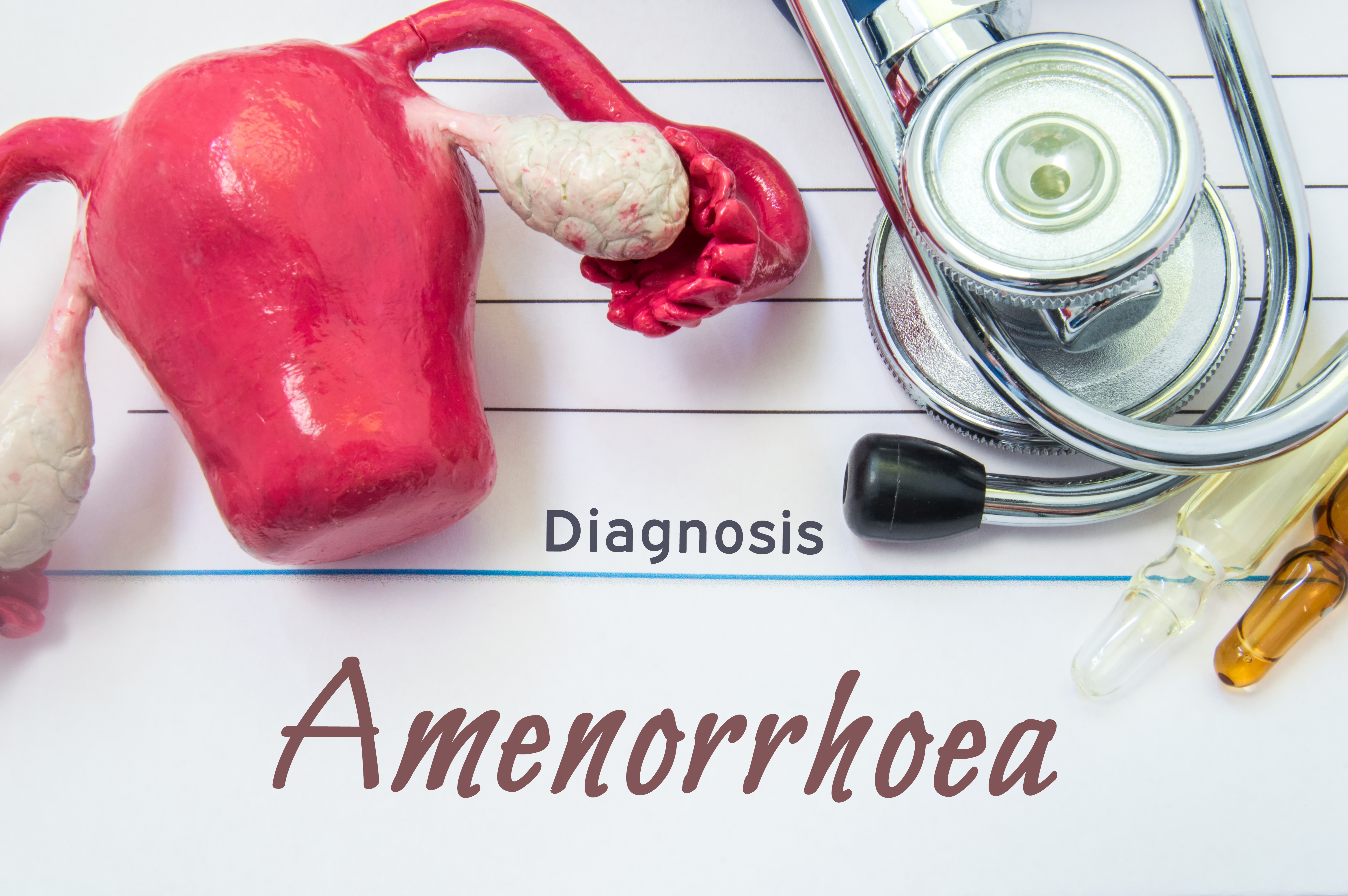
Amenorrhea means missing one or more menstrual periods. It is not a disease, but it can signal a health problem. There are two main types of amenorrhea:
Often, amenorrhea can be a sign of an underlying issue. For example, it is common in women with Polycystic Ovary Syndrome (PCOS).
The Link Between Amenorrhea and PCOS
PCOS is a common hormone disorder in women of childbearing age. In fact, it is one of the main causes of amenorrhea. Women with PCOS often have irregular or missed periods. This happens because their ovaries do not release eggs regularly. As a result, hormone levels become unbalanced. According to the CDC, PCOS affects about 6% to 12% of women worldwide.
Common Symptoms and Warning Signs
Besides missed periods, amenorrhea and PCOS can cause other symptoms. For instance, you may notice:
Sometimes, symptoms are mild. However, if you notice these changes, it is important to talk to your doctor.
Main Causes of Amenorrhea
There are many reasons for missed periods. PCOS is a leading cause, but others include:
However, PCOS and missed periods often go hand in hand. If you have PCOS, your periods may be irregular or stop altogether.
How Is Amenorrhea Diagnosed?
Doctors use several steps to find the cause of amenorrhea. First, they ask about your medical history and symptoms. Then, they may do a physical exam. Often, tests are needed, such as:
With these tests, doctors can find out if PCOS or another condition is causing your missed periods.
Treatment for Amenorrhea and PCOS
Treatment depends on the cause. If PCOS is the reason, doctors may suggest:
Sometimes, treating other health issues can help restore periods. For example, managing stress or thyroid problems may help. Always follow your doctor’s advice for the best results.
Lifestyle Tips and Prevention
While not all cases can be prevented, healthy habits can help. For instance:
These steps may help reduce your risk of missed periods and manage PCOS symptoms.
When to Seek Medical Advice
If you miss three or more periods in a row, see a doctor. Also, seek help if you have other symptoms like excess hair growth, acne, or weight changes. Early diagnosis and treatment can prevent long-term problems. For those looking for amenorrhea treatment in your area, many clinics offer expert care.
Conclusion
Amenorrhea and PCOS are common, but they can be managed. With the right care, most women can restore their periods and improve their health. Consult a gynecologist for personalized advice on amenorrhea and PCOS.