
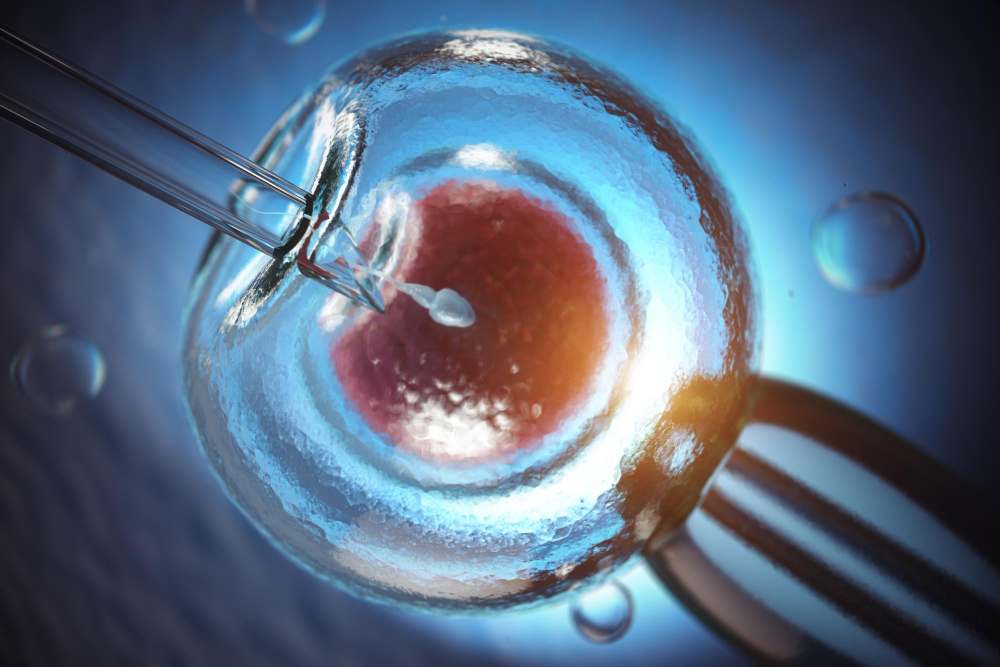
What is Frozen Embryo Transfer?
Frozen embryo transfer, or FET, is a step in fertility treatment. In this process, doctors place a previously frozen embryo into a woman’s uterus. Often, this is part of in vitro fertilization (IVF). IVF helps people who have trouble getting pregnant. During IVF, eggs are fertilized with sperm in a lab. Some embryos are used right away, while others are frozen for future use. Because of this, frozen embryo transfer gives couples another chance at pregnancy.
Why is Frozen Embryo Transfer Used?
There are several reasons why doctors use frozen embryo transfer. For example, it allows couples to try for a baby later. Sometimes, a fresh embryo transfer is not possible due to health reasons. In other cases, doctors may freeze embryos to avoid certain risks. Additionally, freezing embryos can help save extra embryos for future attempts. Many couples choose this option for flexibility and safety.
The Step-by-Step Process
Understanding the frozen embryo transfer process can ease worries. Here are the main steps:
Each step is done with care to increase the chances of success.
Benefits of Frozen Embryo Transfer
Frozen embryo transfer offers many benefits. For instance, it gives couples more chances to have a baby. Also, it allows doctors to choose the best time for transfer. Some other benefits include:
Because of these reasons, many fertility clinics recommend frozen embryo transfer as part of assisted reproduction.
Risks and Possible Side Effects
Like any medical procedure, frozen embryo transfer has some risks. However, most side effects are mild. Some possible risks include:
Still, most women recover quickly. If you notice severe pain or heavy bleeding, contact your doctor right away.
Success Rates and Factors Affecting Outcomes
Success rates for frozen embryo transfer are often high. In fact, some studies show rates equal to or better than fresh transfers. However, several factors can affect the outcome:
According to the CDC, women under 35 have higher success rates. Still, every case is unique. Your fertility specialist can explain your chances based on your situation.
Preparation and Aftercare Tips
Proper preparation can improve your chances. Here are some helpful tips:
After the transfer, listen to your body. If you have concerns, call your clinic for advice.
Frequently Asked Questions
In summary, frozen embryo transfer is a safe and effective part of fertility treatment. It offers hope to many couples. For the best results, follow your doctor’s advice and take care of your health. Consult a fertility specialist for personalized advice on frozen embryo transfer.