
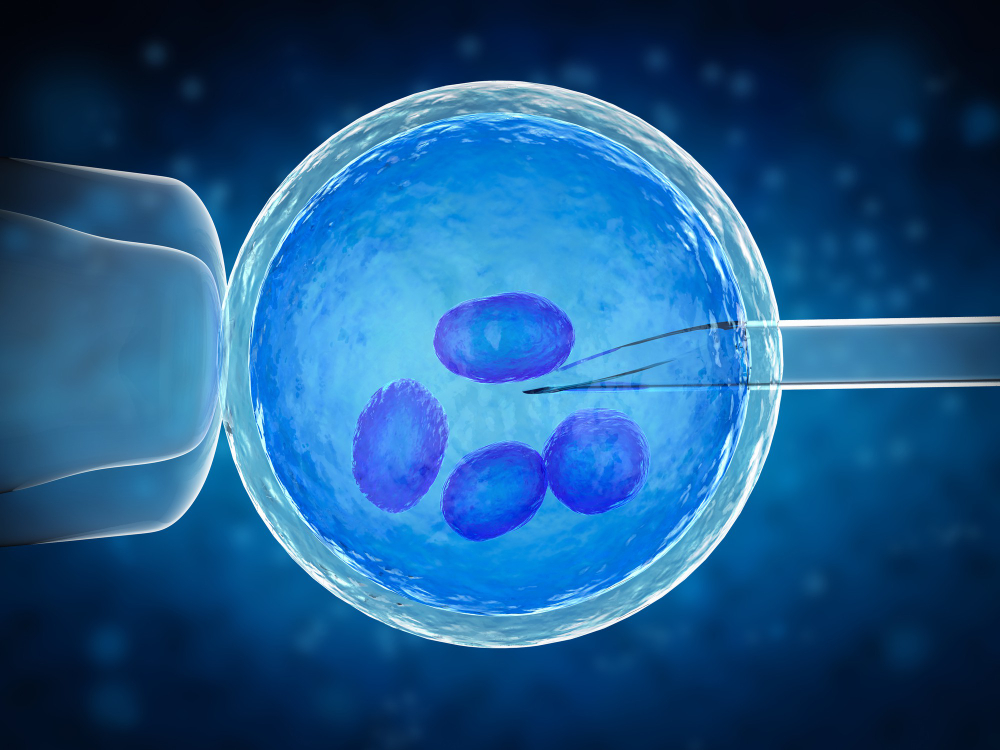
What is IMSI?
IMSI stands for Intracytoplasmic Morphologically Selected Sperm Injection. It is an advanced IVF technique used in fertility treatment. In IMSI, doctors select the best-looking sperm under a very powerful microscope. This process helps increase the chances of a healthy pregnancy. Unlike regular sperm selection, IMSI allows doctors to see sperm in much greater detail. As a result, they can pick sperm with the best shape and structure.
How IMSI Works
First, doctors collect a sperm sample from the male partner. Then, they use a special microscope that can magnify sperm up to 6,000 times. This is much stronger than the usual microscope used in standard IVF. Next, doctors carefully check each sperm for shape and quality. After that, they choose the healthiest sperm to inject directly into the egg. This step is called microinjection. Finally, the fertilized egg is placed in the woman’s uterus, just like in regular IVF.
Who Might Need IMSI?
IMSI is not for everyone. However, it can help certain couples, especially those who:
Therefore, your doctor may suggest IMSI if you fit any of these groups.
Benefits and Limitations of IMSI
IMSI offers several benefits. For example, it allows doctors to pick the healthiest sperm, which may improve fertilization rates. Also, it may lower the risk of miscarriage. In addition, IMSI can help couples who have not succeeded with other treatments.
However, IMSI has some limitations. It is more time-consuming and costly than standard IVF or ICSI. Not all clinics offer IMSI, and it may not help everyone. While IMSI can improve sperm selection, it does not fix all fertility problems.
IMSI vs. Other Fertility Treatments
IMSI is different from other fertility treatments like ICSI (Intracytoplasmic Sperm Injection) and standard IVF. In regular IVF, sperm and eggs are mixed together, and fertilization happens naturally. With ICSI, a single sperm is injected into the egg, but the sperm is chosen under a less powerful microscope. In contrast, IMSI uses a much stronger microscope, so doctors can pick sperm with fewer defects. As a result, IMSI may offer better results for some couples.
Risks and Considerations
Like all medical procedures, IMSI has some risks. For instance, the process takes longer and may cost more. There is also no guarantee of pregnancy. Some couples may feel stress due to repeated treatments. However, IMSI is generally safe, and serious side effects are rare. Always talk to your doctor about the risks and benefits before starting IMSI.
Success Rates and What to Expect
IMSI may improve success rates for certain couples, especially those with poor sperm quality. Studies show that IMSI can increase fertilization and pregnancy rates in some cases. However, success depends on many factors, such as age, overall health, and the cause of infertility. Therefore, results can vary from person to person. Your doctor can help you understand your chances with IMSI.
Frequently Asked Questions (FAQ)
Reliable Sources and References
For personalized advice about IMSI and your treatment options, consult a fertility specialist.